
Our mission
Technology built around what physicians actually need
At Surglasses we set out to change how surgery is performed and how medicine is taught, using augmented reality. By understanding the real needs of physicians and addressing the problems they meet in the operating room, we build systems that fit the way surgery and teaching are already done.
Transforming surgery with AR
Five years in the operating room before the first product shipped
Augmented reality was never the starting point — the surgeon’s own working problems were. Four of them shaped the navigation system, and every version of it since.
Understanding physician needs
We spent more than five years working alongside physicians to understand the pain points and the real needs of surgery. The requirement list came out of their cases, not out of a product roadmap.
Solving practical problems
We went after the practical difficulties physicians described — among them having to look up and turn away from the patient, again and again, to read a monitor on the far side of the room.
Simplifying the workflow
We lowered the learning curve by designing an interface a surgeon can drive without being taught it twice. Adopting the system should not mean relearning the operation.
Improving surgical efficiency
Guidance rendered into the surgeon’s own field of view makes the procedure run more smoothly, cutting interruptions and waiting time inside the case itself.
Transforming medical education
Anatomy a whole cohort can take apart — and put back
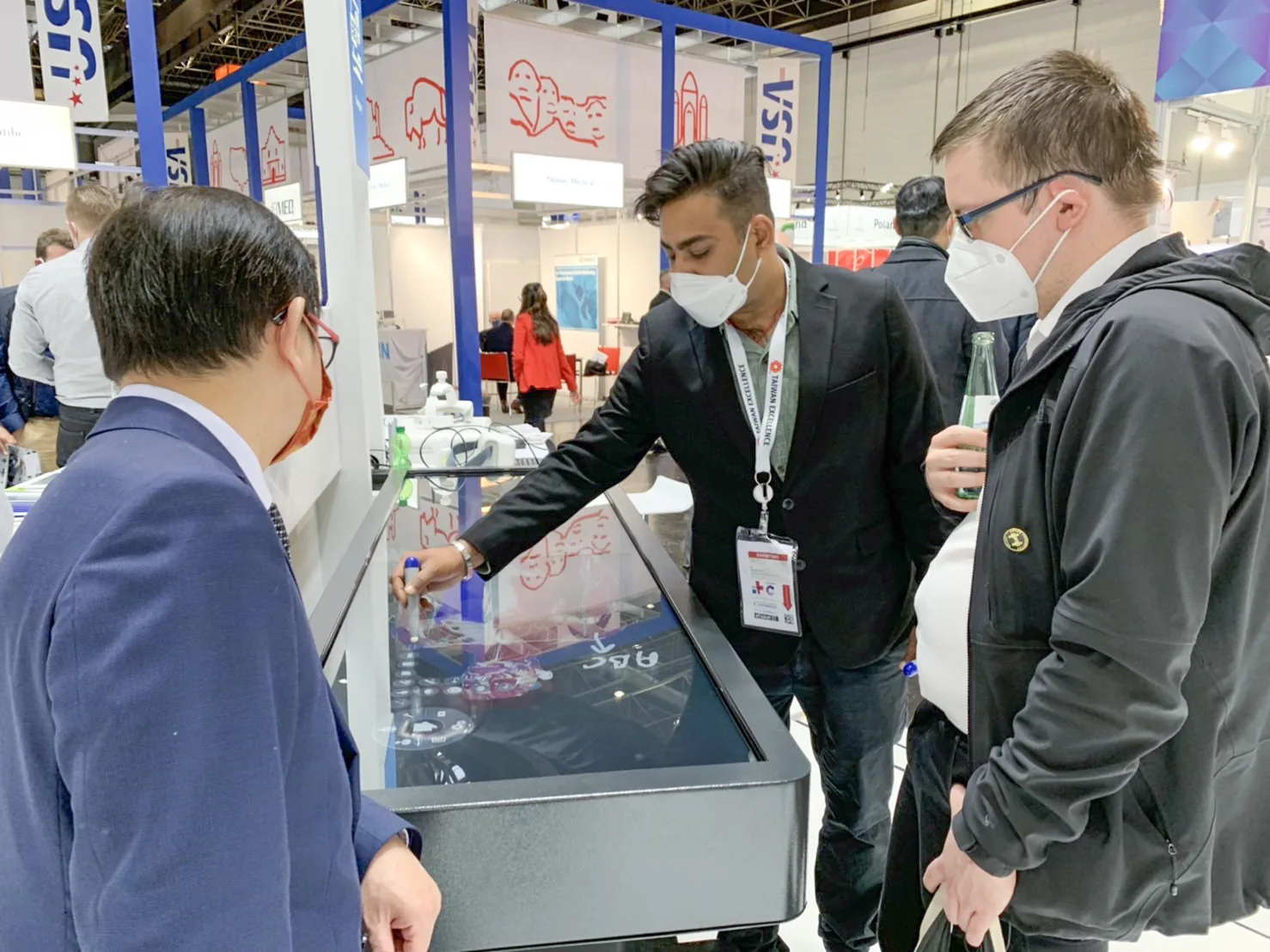
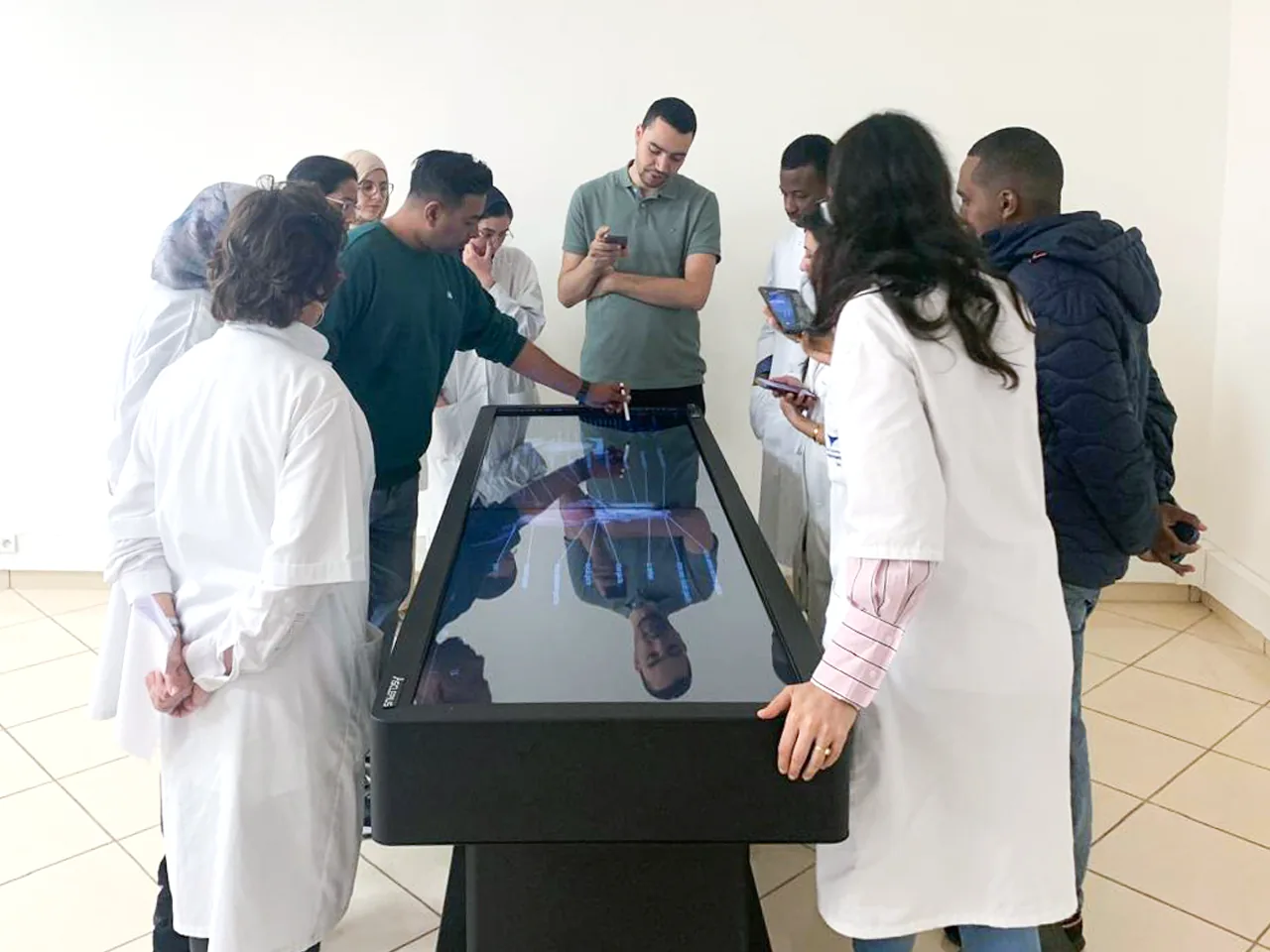
Beyond surgery, we are redefining how anatomy is taught. Traditional learning depends on cadavers, which are costly and available in limited numbers. Our Virtual Anatomical Table does not replace that experience so much as make it repeatable.
Students and professionals gain a deeper understanding of anatomical structures than a diagram allows and better preparation for complex procedures than a lecture gives — which is the gap between theoretical knowledge and hands-on practice that we set out to close.
- High-precision 3D visualisation, built from real human imaging
- Interactive exploration from any angle, at any depth, as often as the lesson needs
- A bridge between the textbook and what the ward actually looks like
Commitment to continuous innovation
Every release has to earn its place in the operating room
Innovation is at the heart of what we do, but it is only worth the name when it shows up in the case — in equipment the hospital already owns, and in a workflow the team does not have to relearn.
Spine navigation with the C-arm you already own
Caduceus S navigates from standard 2D C-arm imaging, so a hospital does not have to buy a new imaging suite before it can navigate a spinal case. That compatibility is what took the system from a research project to routine use.
Registration surgeons will actually use
Registration — aligning the images to the patient on the table — is the step that made surgeons give up on navigation systems. Making it quick enough to fit the case is what moved ours from interesting to usable.
Less radiation in the room
Fewer fluoroscopic shots mean less X-ray exposure for the patient and for everyone else in the room. Navigation runs from the C-arm images the case already needs, so no separate preoperative scan is taken.
Where we are going
From Taiwan to the world
From academic research to daily clinical use, from one hospital in Taichung to more than a hundred countries — the direction has not changed since the first case. We are committed to reshaping the future of surgery and medical learning, and we are only getting started.
- Safer, more precise surgery — for the patient and for the surgeon
- More immersive, interactive learning tools for the next generation of clinicians
- Technology that improves every part of care, not only the operation itself
Intuitive, user-centred products are the whole of our commitment: tools that empower medical professionals and students rather than adding another system for them to manage.
See it for yourself
The mission makes more sense from the surgeon’s side of the table
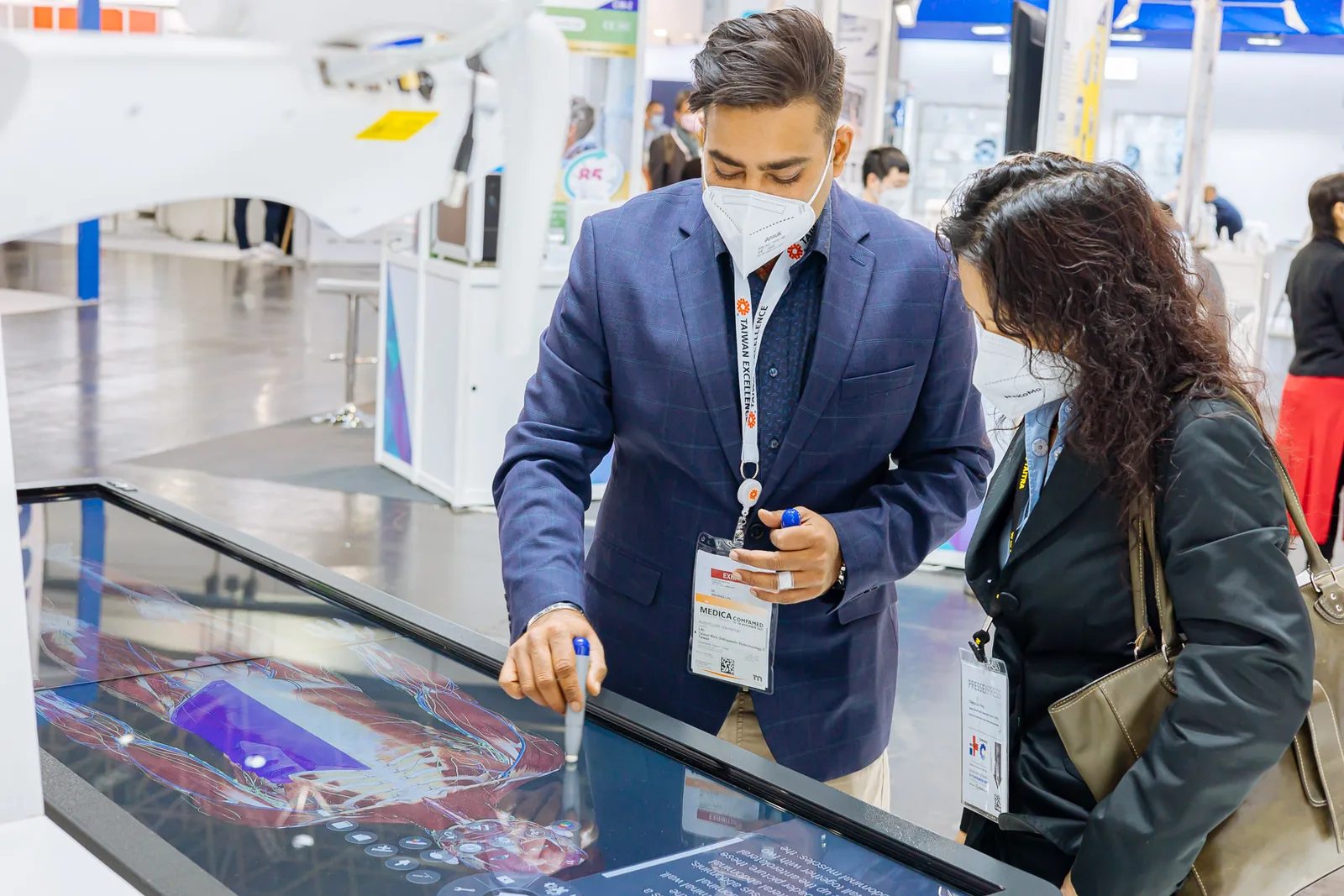
Tell us whether you are asking as a hospital, a medical school or a distributor, and we will arrange an online or on-site demonstration of the system that fits.