From one idea in an operating room to more than 100 countries
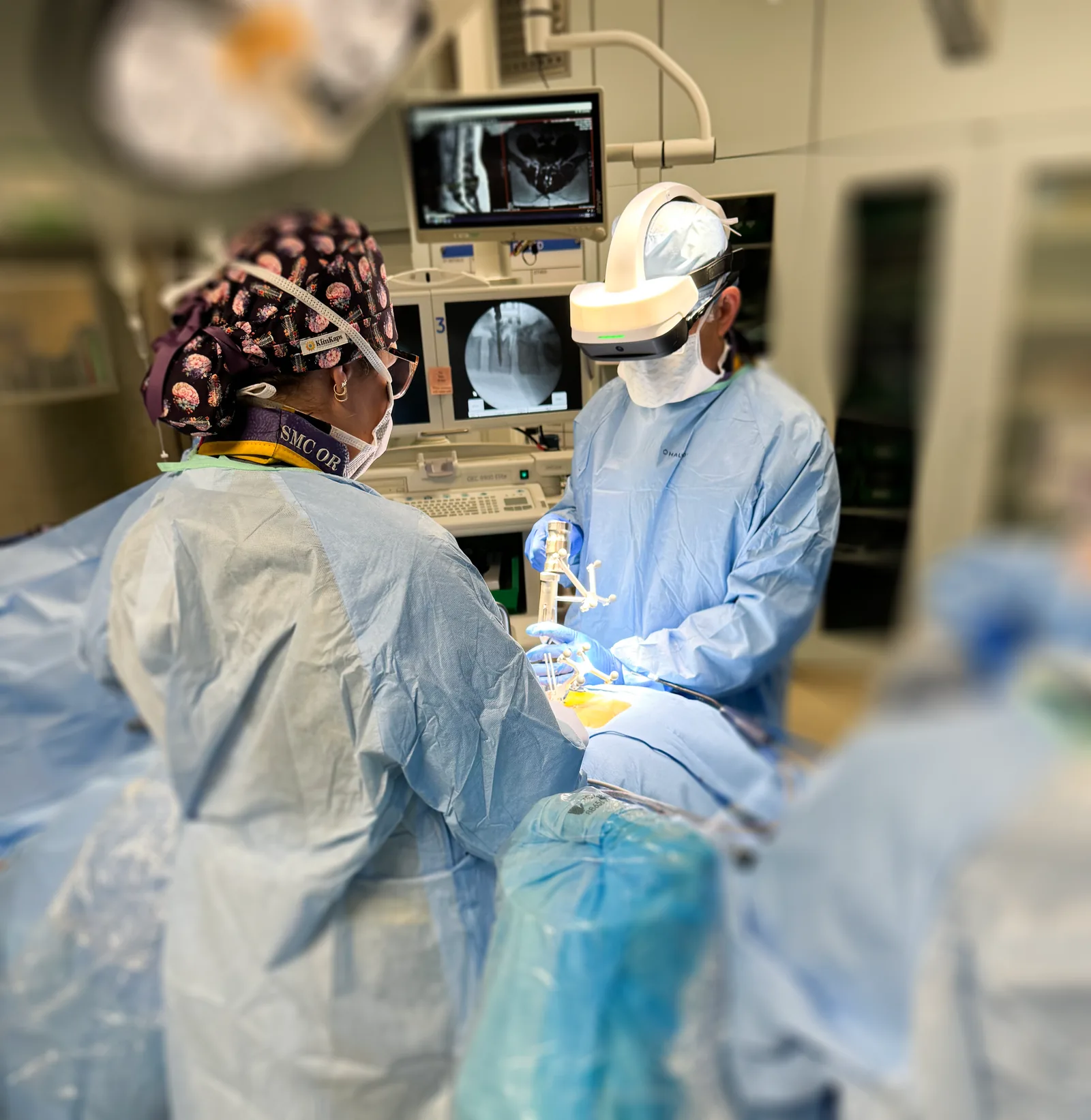
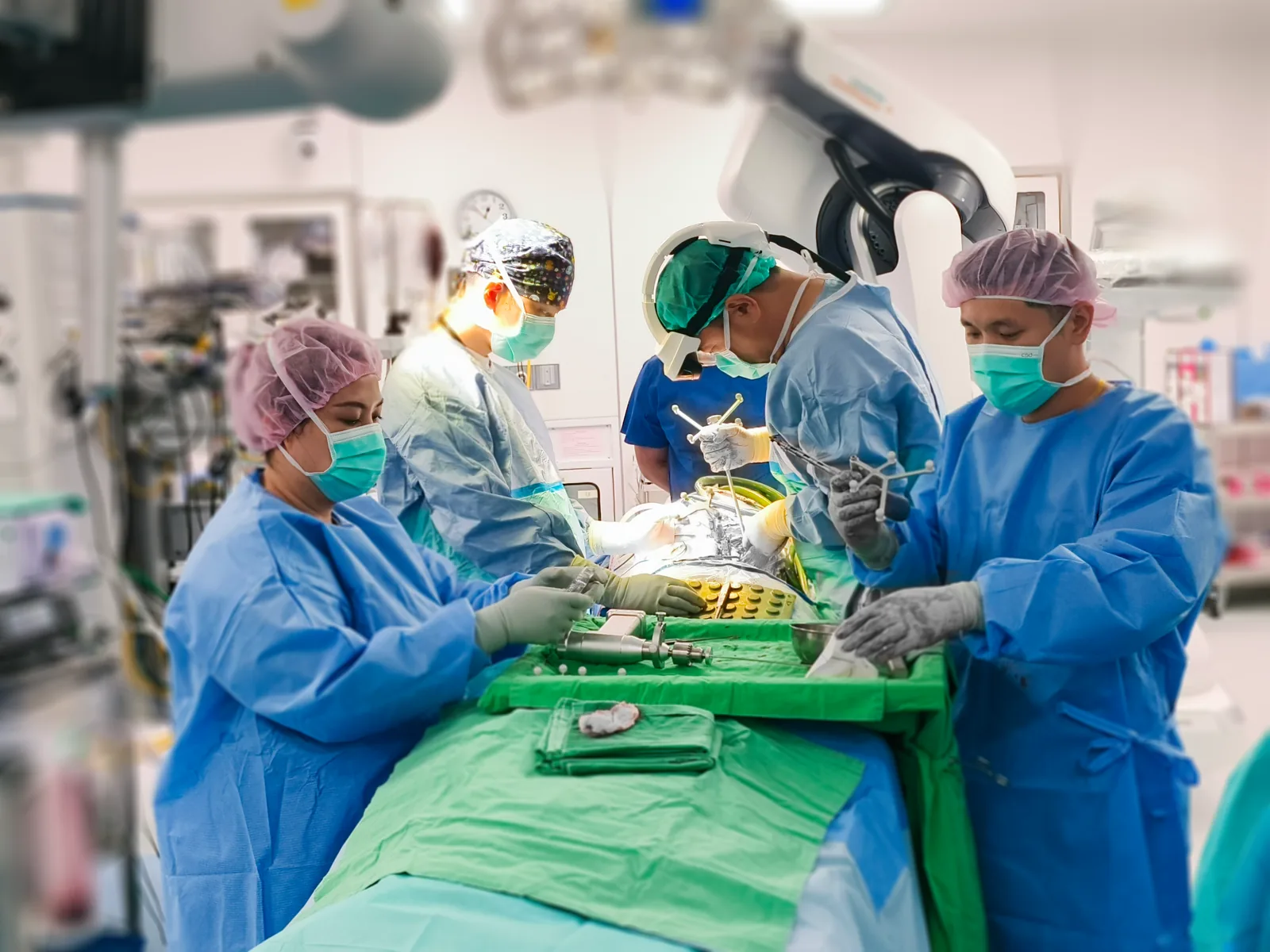
Transforming healthcare through innovation and education. Surglasses designs and
develops AR smart surgical eyewear, surgical navigation systems and anatomical
education tables — and has done so from the same place the idea started:
alongside the surgeons who use them.
We are committed to driving breakthroughs in the evolution of medical care. We
specialize in designing and developing AR smart surgical glasses and navigation
systems that revolutionize the surgical process, providing clearer vision for the
future of healthcare.
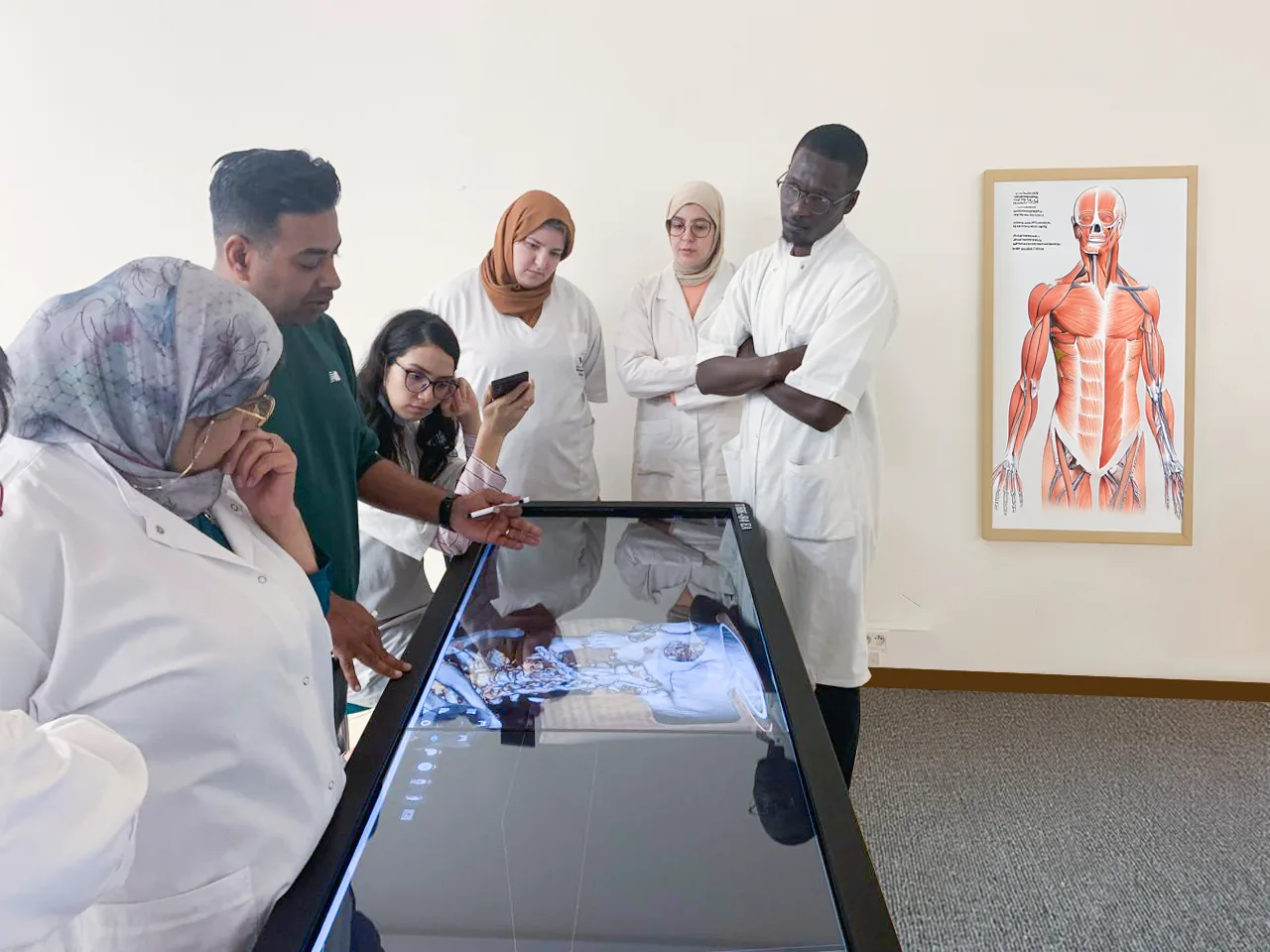
In addition to our surgical technological advancements, we design and develop
anatomical education tables and lead initiatives to educate and train the next
generation of medical professionals. With continuous innovation across various
fields of medical technology, we are dedicated to delivering cutting-edge
solutions that enhance healthcare outcomes worldwide.
Taiwan Main Orthopaedic Biotechnology Co., Ltd., founded 2017 in Taichung
Two product lines: AR surgical navigation and virtual anatomy tables
More than 200 dissection table installations across over 100 countries
Surglasses, LLC opened in California in 2024 to support the Americas
People
Meet the specific needs of physicians. The first version of our navigation system
was written for one surgeon's cases, in one hospital, and every version since has
been shaped the same way — by the people holding the instruments.
Practice
Revolutionizing medicine and clinical practices. Guidance rendered onto the
surgeon's own field of view keeps their eyes on the patient instead of on a
monitor across the room — a change to how the operation is performed, not
just to what it is performed with.
Quality
Ensuring superior quality. Everything we ship is built under an ISO 13485 quality
management system and cleared by the regulator of the market it goes to —
because a device that guides a screw into a spine has no room for a second-best
process.
Our evolution
How we progressed step by step since 2012
The company was founded in 2017, but the work started five years earlier — in
an operating room, with an idea that took a research ethics approval and a
documentary crew before it took an office.
2012
The first idea
Google's first AR glasses sparked Dr. Min Liang Wang's idea to apply
augmented reality to surgery. Google's product never succeeded commercially,
but the concept stayed. Working at the Show Chwan Medical System, Dr. Wang
gained the support of physicians and applied for Human Research Ethics
Committee (IRB) approval to explore what AR could do in the operating room.
2015
Discovery Channel
After finding Dr. Wang's AR surgical technology through academic journals,
Discovery Channel produced a special report on the world's first orthopaedic
surgery performed using AR. The documentary brought international
recognition and led to a meeting with the president of Taiwan.
2017
Surglasses is founded
The company was established in the Central Taiwan Science Park in Taichung,
focused on augmented reality for medical applications and, in particular,
spinal surgery navigation. In the same year we began investing in medical
education, developing teaching tools for the next generation of clinicians.
2018
Two products reach the market
The Virtual Anatomy Table was introduced, initially to medical and
educational institutions across Asia. The first smart surgical glasses
followed, designed specifically for orthopaedic and neurosurgical use.
2019
Into Europe
The Virtual Anatomy Table expanded into the European market, gaining
recognition from medical and educational institutions in Germany, France and
the United Kingdom.
2020
Into North America
Sales of the Virtual Anatomy Table began in the United States and Canada,
laying the groundwork for the growth that followed.
2021
South America, and the first software licence
The Virtual Anatomy Table entered South America — Brazil, Chile and
Argentina — completing our global sales footprint. Our 3D
reconstruction and surgical planning software received its Taiwan TFDA
licence in the same year.
2022
Caduceus S licensed in Taiwan, cleared in the United States
The Caduceus S system was licensed by Taiwan's Food and Drug
Administration, and the Caduceus S AR system received US FDA 510(k)
clearance in December 2022. From this year onwards the Virtual Anatomy Table
saw consistent sales growth in the United States, driven by demand for both
medical education and precision surgical technology.
2023
Thailand, and a funding round
We entered the Thai market, receiving Thai FDA import licence
No. 66-2-3-2-0016533 in December 2023, and reached clinical application
there. A Pre-A funding round closed in the same year, raising capital to
accelerate AR product development.
2024
A second FDA clearance, and a US subsidiary
A second US FDA 510(k) clearance, K242271, was granted — for a
different model, held alongside K220554 rather than replacing it, so both
clearances stand today. Surglasses, LLC was established in California to
expand in the US market and provide local support, and several new models of
the Digital Anatomy Table were introduced for teaching and training.
2026
OOOPDS cleared in the United States, and where that leaves us
Our 3D reconstruction and surgical planning software, OOOPDS, received US FDA
510(k) clearance K254214 in September 2026, five years after its Taiwan
licence. More than 200 virtual dissection table installations, in over 100 countries.
Caduceus S cleared by the US FDA, licensed in Taiwan and Thailand, and
registered in the Philippines and Malaysia. Development continues on both product lines, and the
commitment behind them has not changed since the first IRB application in
2012.
Revolutionizing medical education
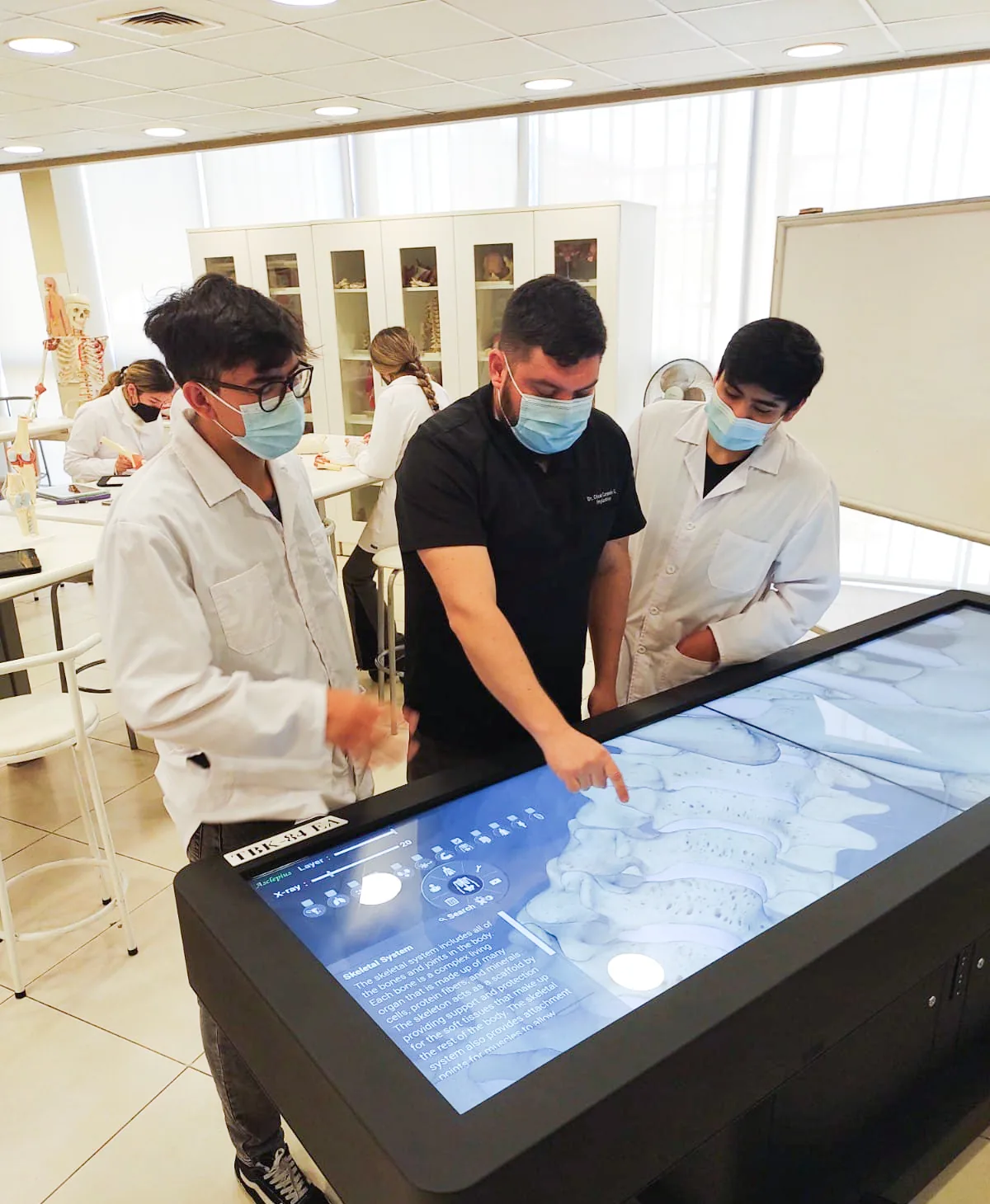
The Asclepius Virtual Dissection Table
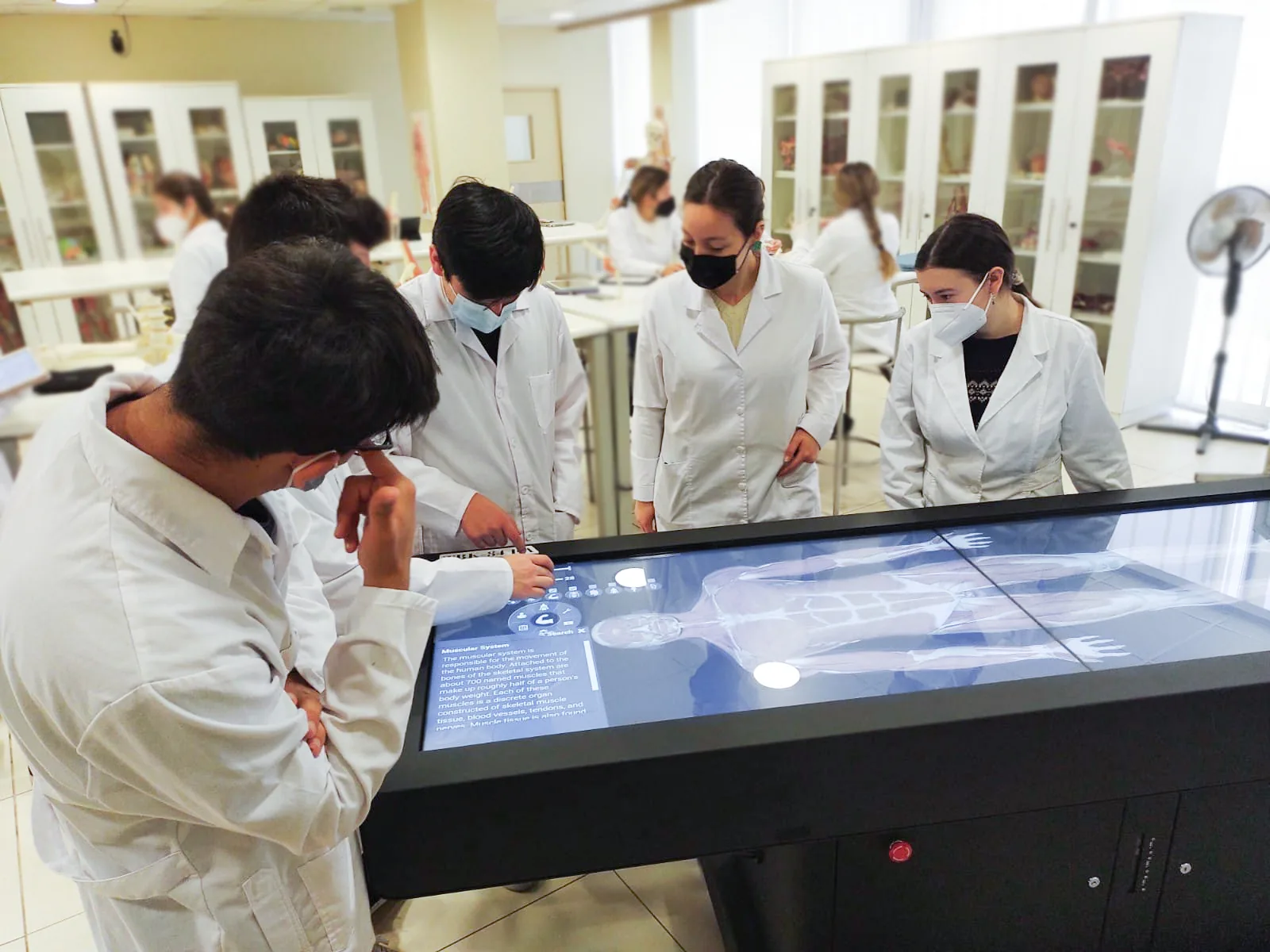
Our anatomical tables are an advanced educational tool that bridges the gap between
theoretical knowledge and practical experience. Highly detailed, interactive 3D
models let medical professionals and students learn hands-on, building a deeper
understanding of anatomical structures and better preparation for complex procedures.
Learning in a group
One table serves a whole cohort at once. Everyone sees the same structure at the
same moment, which is what makes discussion around it possible.
Life-size, layer by layer
Skin, muscle, vessels, nerves and bone can be peeled back and restored as often as
the lesson needs — something no physical specimen allows.
Taught, not just displayed
Instructors zoom, rotate and annotate on the surface itself, so the explanation
happens on the anatomy rather than beside it.
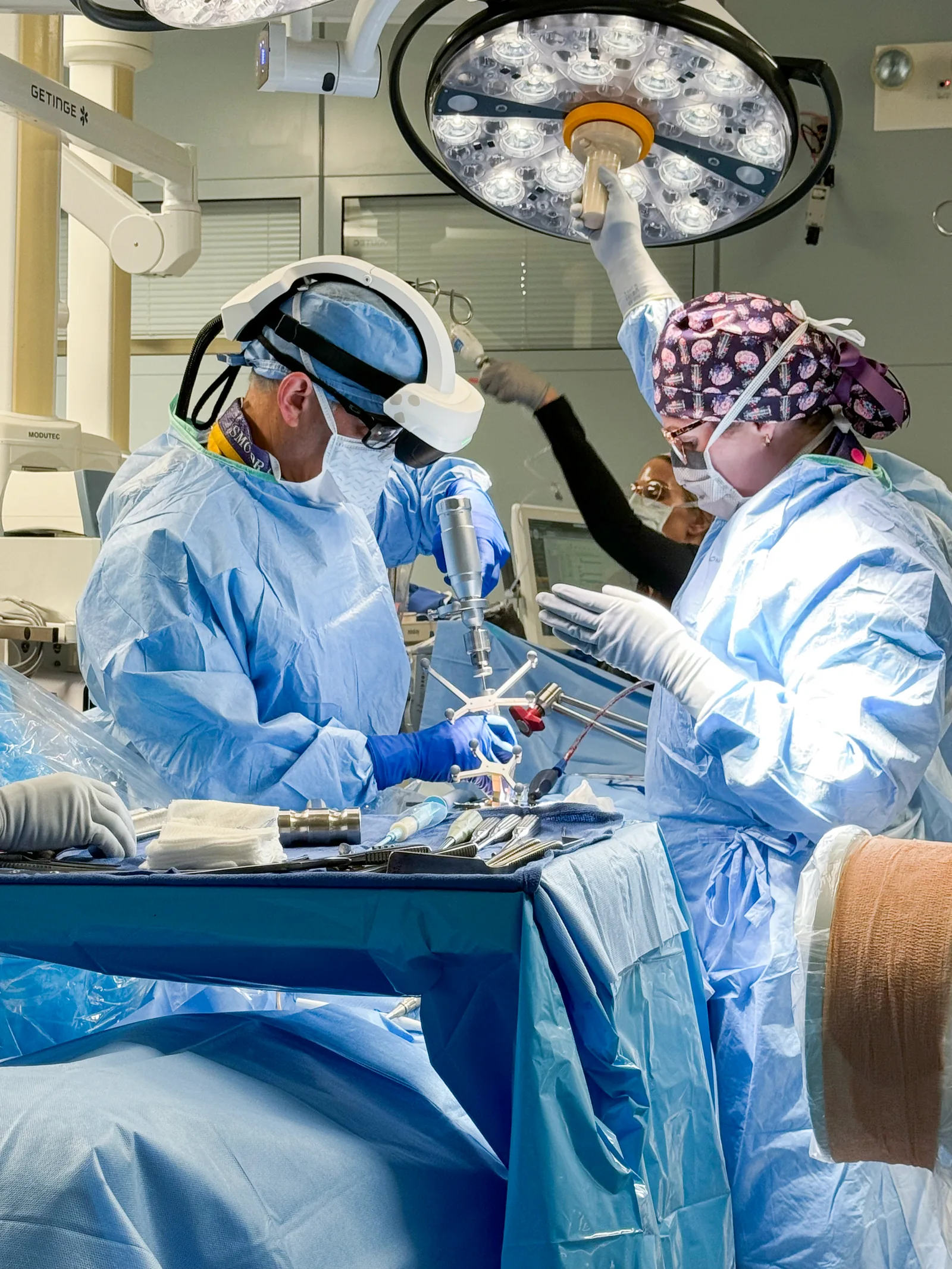
A smart surgical eyewear navigation system that combines augmented reality and
mixed reality. Designed around what spine surgeons actually do, it
changes how traditional open spinal surgery is performed.
The system carries a US FDA 510(k) clearance, a Taiwan TFDA Class II medical device
licence and a Thai FDA import licence. It is built for surgical efficiency and
accuracy, with a human-machine interface the surgeon can drive without leaving the
sterile field.
Guidance rendered in the surgeon's own line of sight, not on a side monitor
Cleared by the US FDA; licensed in Taiwan and Thailand; registered in the Philippines and Malaysia
Ergonomic, head-worn hardware — no robotic arm to work around
Top-quality medical products, verified by someone else
We provide top-quality medical products and ensure they meet the Quality Management
System (QMS) standards required of medical devices. Certification is not a claim we
make about ourselves — it is an audit we pass.
ISO 13485
Our manufacturing runs under the international quality management standard for
medical devices, covering design controls, risk management and traceability.
FDA 510(k)
The Caduceus S AR Computer Surgical Navigation System holds US FDA 510(k)
clearance, confirming its safety and effectiveness for American clinical settings,
and OOOPDS, our surgical planning software, is cleared under K254214.
TFDA and CE
Our devices are licensed by Taiwan's Food and Drug Administration, and our AR
glasses carry EU CE marking against European safety, health and environmental
standards.
The fastest way to understand it is to stand in front of one
Tell us whether you are asking as a hospital, a medical school or a distributor, and
we will arrange an online or on-site demonstration of the system that fits.